Resources
Guides and resources about AI-assisted coding, vibe coding techniques, and software development.

System Design Prompts From the Vibe Coding Bible (Free Sample)
You got your AI coding assistant to build a working prototype in a weekend. Login works, the database stores data, and the UI looks decent. Then you try to add a payment flow, a second user role, or a webhook integration, and the whole thing collapses into spaghetti. The missing piece is not more code.
Vibe coding resource #12: analytics for AI-built apps
You shipped your AI-built app. Users signed up. But you have zero idea what they actually do inside it, which features they ignore, or where they drop off. Without analytics, you are flying blind, making product decisions based on gut feeling instead of real behavior data.

Understanding the (in)security of vibe-coded applications: Practical Guide
You built an app with AI in a weekend. It works, it looks great, and you are ready to show it to the world. But somewhere between the first prompt and the deploy button, security got skipped entirely. This guide walks through the specific vulnerabilities that vibe-coded applications carry, why they happen, and exactly how to find and fix them before your users pay the price.

How to Use the Vibe Coding Bible Preview Before You Buy
You found the Vibe Coding Bible, you see it is 459 pages long, and now you want to know if those pages actually solve the problems you are hitting right now. The free preview exists for exactly this reason, but most people skim it in thirty seconds and learn nothing. This guide shows you how to read the preview strategically so you walk away with a clear yes-or-no decision and a handful of techniques you can use immediately.

How do i enforce our coding standards on ai-generated code: Practical Guide
You asked your AI assistant to build a feature, and it delivered working code in thirty seconds. Then you looked at the output and found inconsistent naming, zero error handling, and a file structure that ignores every convention your project already uses. The gap between AI speed and code quality is where most AI-built projects start to rot. This guide gives you a concrete, repeatable system for making AI-generated code follow your standards from the first prompt to the merged commit.
No-code vibe coding tools: Practical Guide
You describe what you want in plain English, and a working app appears on your screen. That is the promise of no-code vibe coding, and in 2026 the tools actually deliver on it. The catch is that most people pick the wrong tool, skip critical steps, and end up with something that breaks the moment real users show up. This guide walks you through the exact tools, workflows, and guardrails that turn a natural-language idea into software you can actually ship.

Team Rollout Plan for Vibe Coding in Engineering
You hired three contractors, gave everyone Cursor licenses, and two weeks later your codebase looks like five different people built five different apps. Because they did. Rolling out vibe coding across a team without a plan creates more chaos than shipping solo ever did. This guide gives you a concrete, week-by-week rollout plan so your entire team builds with AI consistently, safely, and fast.
Vibe coding resource #11: refactoring AI output
You asked the AI to build a feature, it spit out 300 lines of code, and the feature works. Then you asked for a second feature and everything broke. The problem is not the AI. The problem is that raw AI output accumulates structural debt faster than any human developer ever could, and without deliberate refactoring you will hit a wall where nothing new can be added.
Vibe coding resource #10: REST API prompt templates
You asked your AI coding assistant to build a REST API and got back a tangled mess of routes with no validation, no error handling, and inconsistent naming. The problem is not the AI tool. The problem is the prompt. This guide gives you ten copy-paste prompt templates that produce clean, production-ready REST API endpoints every time you use them.

Vibe coding resource #9: mobile vibe coding guardrails
Mobile apps built with AI assistants look great in the simulator until a real user opens them on a three-year-old Android phone with spotty reception. The gap between a working prototype and a production mobile app is wider than on the web, and vibe coding makes it dangerously easy to ignore that gap. This guide gives you concrete guardrails to catch mobile-specific failures before your users do.

Vibe coding resource #8: CRUD app ship checklist
You built a CRUD app with AI in a weekend. It creates records, reads them back, updates fields, deletes rows. Everything works on localhost. Then you ship it, a real user hits it, and the whole thing falls apart because you skipped input validation, forgot rate limiting, and never tested what happens when two people edit the same record at once.

Vibe coding resource #7: Copilot vs Claude team guide
Your team just adopted AI coding tools and now half the developers use Copilot while the other half swear by Claude. Pull requests look inconsistent, nobody agrees on prompting conventions, and the productivity gains you expected turned into a coordination headache. This guide gives you a concrete framework for choosing between GitHub Copilot and Claude at the team level, setting shared standards, and making both tools work together when that is the right call.

Vibe coding resource #6: secure vibe coding policy
You shipped a working app in a weekend using AI. Users signed up, data started flowing, and everything looked great until someone pointed out your API keys were hardcoded, your database had no access controls, and user passwords were stored in plain text. A secure vibe coding policy is the document that stops you from shipping those mistakes in the first place. This resource gives you a ready-to-use policy template, step-by-step setup instructions, and the exact checks that catch security holes before your users find them.
Vibe coding resource #5: code optimization workflow
Your AI assistant generated 2,000 lines of working code in an afternoon. The app runs, the demo looks great, and then you open the browser DevTools. Three-second page loads, memory climbing with every click, and a bundle size that would make a webpack config cry. The gap between working code and optimized code is where most vibe-coded projects stall out.
Vibe coding resource #4: legacy integration steps
You built something new with AI. It works. Now you need it to talk to the ten-year-old PHP monolith that actually runs your business. This is where most vibe coding projects stall out, not because the new code is bad, but because nobody planned how it would connect to the old code.
Vibe coding resource #3: non-coder starter path
You have an idea for an app, a SaaS tool, or an internal dashboard, and you have zero programming experience. AI coding assistants like Cursor, Claude, and Lovable can generate working code from plain English descriptions, but the gap between a demo that runs on your laptop and a product people actually pay for is where most non-coders get stuck. This guide gives you the exact starter path to cross that gap without enrolling in a computer science program first.
Vibe coding resource #2: AI code security checklist
You asked an AI to build your app, and it did. Login page, database queries, payment flow, the whole thing. It runs. It looks great.

Vibe coding resource #1: system design prompts
Most vibe coding projects fail not because the AI wrote bad code, but because nobody told it what to build at the system level. You paste a feature request into Cursor or Claude, get back 200 lines of working code, and three weeks later realize the database schema conflicts with everything else in your app. System design prompts fix that gap. They force you to describe the architecture before a single function gets generated, so the AI builds something that actually holds together.
How AI Improves the Testing Process for Indie Developers
You shipped a working prototype in a weekend using AI code generation. Then a user found a crash on the second screen, another reported lost data after signup, and your payment flow silently broke three commits ago. Testing is the gap between a demo and a product, and most solo builders skip it because writing tests feels like a second full-time job. AI testing tools close that gap by generating, running, and maintaining tests for you, so you ship with confidence instead of crossed fingers.
Benefits of AI in Software Quality Assurance
Your QA team catches bugs, but the backlog of escaped defects keeps growing. Manual test suites take days to run, regression coverage sits at 60%, and every release feels like a coin flip. AI applied to quality assurance changes that equation by finding defects earlier, monitoring production continuously, and giving your team data-driven confidence before every deploy.
Automating Testing with AI Tools: A Comprehensive Guide
You wrote the tests. You ran them manually. You watched them break for the third time this week because someone changed a CSS class. Manual testing does not scale, and bolting on basic automation scripts only gets you so far before maintenance becomes its own full-time job.

Using AI to Improve Project Management in Software Development
You shipped the first version of your app in a weekend using AI. Now you have twelve open issues, three half-finished features, a vague launch date, and no idea what to work on next. The building part got faster, but the organizing part stayed stuck in spreadsheets and gut feelings. AI can fix that too, and it does not require a PMP certification or a dedicated project manager to get started.
Project Management Tools Supporting AI Development
AI-assisted development moves fast, but without the right project management setup, that speed turns into chaos. Tickets pile up with vague descriptions, AI-generated pull requests sit unreviewed for days, and nobody knows which sprint items were written by a human versus generated by Copilot. The fix is not slowing down. The fix is picking project management tools that actually understand how AI development workflows operate and giving your team a shared system that keeps pace with the code.
Managing AI Coding Projects for Timely Delivery
Your team adopted AI coding tools three months ago. Velocity spiked for two weeks, then deadlines started slipping worse than before. The problem is not the AI itself but the project management layer around it, which was built for a world where humans wrote every line. Fixing that layer is what separates teams that ship on time from teams that drown in AI-generated technical debt.

Continuous AI Coding Education: Resources and Tips
Six months ago the AI coding tool you relied on daily shipped a completely different interface, deprecated three features, and introduced an agent mode nobody asked for. Your muscle memory became useless overnight. That scenario is not hypothetical; it is the normal pace of change in AI-assisted development. Staying effective means treating your own education as a continuous deployment pipeline, not a one-time install.
Upskilling Teams for AI-Assisted Development
Your CEO just told you to "get the team using AI." You nodded, opened a spreadsheet, and realized you have no idea how to turn that mandate into actual skill growth across eight engineers with wildly different comfort levels. The gap between "we should use AI" and "we use AI well" is where most teams stall, burn budget on random courses, and end up right where they started. This guide gives you a concrete framework for designing, running, and measuring an upskilling program that sticks.

Best Online Courses for Learning Vibe Coding
You built something with Cursor or Claude last weekend and it actually worked. Then Monday came, the app broke in a way you could not debug, and you realized the gap between generating code and shipping code is a canyon. The right online course closes that canyon by teaching you how AI-assisted development actually works under the hood, without requiring a computer science degree. Here is a curated breakdown of the courses worth your time and money in 2026.

Evaluating AI Integration Impacts on System Architecture
Adding AI capabilities to an existing system is not a feature toggle you flip on a Friday afternoon. It changes data flows, latency profiles, infrastructure costs, and failure modes in ways that ripple across every layer of your stack. Engineering leaders who skip a structured architectural assessment end up firefighting production incidents instead of capturing the productivity gains they promised the board. This guide gives you a concrete framework for evaluating those impacts before they become outages.
Incorporating AI into DevOps Workflows: Best Practices
Your CI/CD pipeline already runs hundreds of jobs per day, but most of them follow static rules written months ago. AI changes that equation by making pipelines adaptive, test selection smarter, and incident response faster. This guide covers concrete practices for plugging AI into your existing DevOps toolchain without turning your infrastructure into an unpredictable black box.

Integrating AI with Legacy Systems: A Practical Approach
That COBOL payroll system from 1997 still runs every Friday at 2 AM. It works. Nobody wants to touch it. But now the business wants AI-driven analytics, automated anomaly detection, and predictive insights layered on top of infrastructure that predates the iPhone.

Integrating AI Coding into a Company’s Strategy
Every engineering leader faces the same pressure right now: the board wants AI adoption numbers, the team wants clarity, and nobody has handed you a playbook. Bolting an AI copilot onto existing workflows without a strategy creates inconsistent code quality, security blind spots, and frustrated developers who revert to old habits within weeks. This guide gives you a concrete framework for evaluating tools, aligning AI initiatives with business goals, managing risk, and building the training programs that make adoption stick.
Role of Software Engineers in AI-Assisted Projects
AI code generators can produce a working function in seconds, but someone still has to decide whether that function belongs in the codebase at all. The engineer's job has not disappeared with the arrival of Copilot, Cursor, and Claude. It has shifted from typing every line to orchestrating what gets built, how it gets reviewed, and why it ships. This article breaks down exactly where software engineers fit in AI-assisted projects and how to make that role concrete on your team.
Accessibility Standards for AI Coding
AI code generators produce markup and UI components at a speed no human can match, but speed means nothing if 20% of your potential users cannot interact with the result. Most AI-generated front-end code ships without proper ARIA attributes, skips keyboard navigation, and ignores color contrast ratios entirely. This guide gives you the exact standards, evaluation tools, and a ready-to-use checklist so every AI-assisted project you ship is inclusive from the first commit.
Making AI-Built Apps Accessible to All Users
You shipped your AI-built app in a weekend. It looks great on your screen, works with your mouse, and reads fine with your eyesight. Then a screen reader user tries it and gets nothing but unlabeled buttons. A keyboard-only user tabs through your interface and lands on invisible elements.
Choosing the Right AI Tools for Data-Centric Projects
Picking the wrong AI tool for a data-centric project costs more than a license fee. It costs months of integration work, retraining, and migration headaches that your team absorbs silently until the next planning cycle. The right tool selection process starts with understanding your data characteristics, your team's existing stack, and the scale you need to reach within 12 months. This guide gives you a concrete framework for evaluating, comparing, and committing to AI tools that actually fit your organization.

Best Practices for Using AI in Data Analytics
Every analytics team has that moment where someone plugs raw CSV data into a shiny new ML model and declares the results groundbreaking. Two weeks later, the dashboard numbers contradict reality, stakeholders lose trust, and the whole initiative stalls. The gap between running an AI model and producing reliable, actionable insights is filled by disciplined practices that most tutorials skip entirely. This article covers the specific preprocessing, model selection, and validation steps that separate useful AI analytics from expensive noise.
Building Data-Driven Apps with AI Tools
You have a spreadsheet full of customer data, sales numbers, or sensor readings, and you want to turn it into a working application with dashboards, filters, and live updates. A year ago that required a backend developer, a frontend developer, and a database admin. Today, AI-powered platforms let you connect a data source, describe what you want, and get a functional app in hours. This guide walks through the exact process, from picking your data source to scaling the finished product.
Optimizing AI-Generated Code for Mobile Platforms
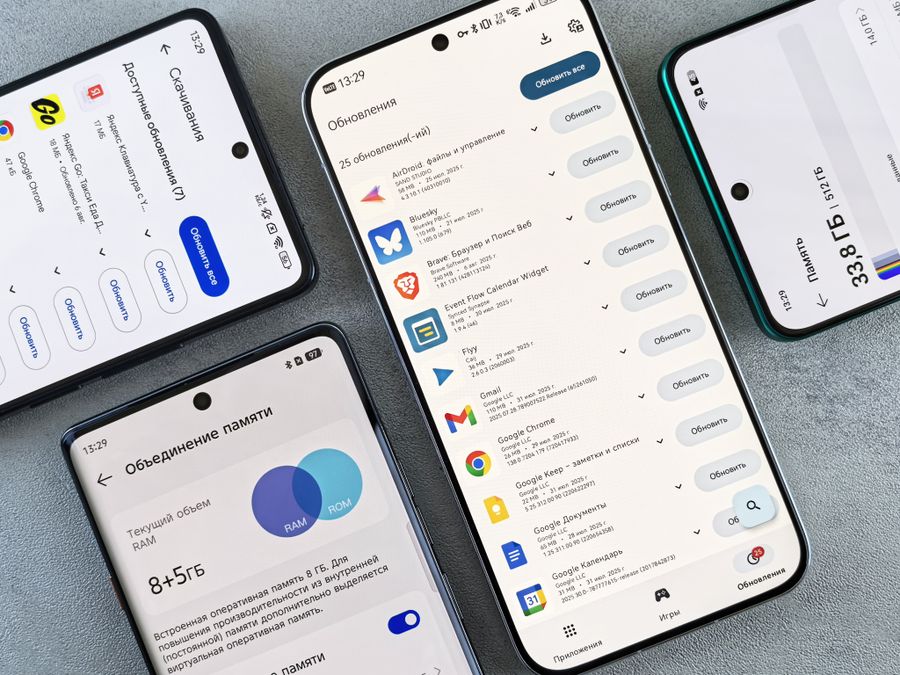
AI tools like Cursor, Claude, and Copilot can scaffold a working mobile app in hours. But the code they produce almost always ignores the constraints that make mobile different from desktop: limited memory, battery budgets, spotty networks, and screens where every millisecond of jank drives users away. Getting from a working prototype to a production-grade mobile app means knowing exactly where AI-generated code falls short and how to fix it before your users notice.

Common Optimization Pitfalls in AI Coding
AI coding assistants generate working code fast, but the optimization phase is where teams quietly accumulate the most expensive technical debt. Overfitting prompts, burning GPU hours on the wrong bottleneck, and letting AI pile abstraction on top of abstraction are problems that show up in production, not in demos. This guide maps the most common optimization pitfalls in AI-assisted codebases and gives you concrete strategies to catch them before they cost real money.

Refactoring AI-Generated Code for Better Performance
AI code generators produce working code in seconds, but that code often carries redundant loops, bloated dependencies, and naive algorithm choices that tank performance under real load. The gap between code that runs and code that runs well is exactly where refactoring lives. This guide walks through the specific performance problems AI-generated code introduces, the strategies that fix them, and a concrete before-and-after example you can apply to your own projects today.

Evaluating AI Coding Platforms for Team Use
Your CEO just asked why the team is not using AI yet. Half your engineers already run Copilot on personal licenses, two interns swear by Cursor, and your security lead is losing sleep over code leaving the network. Picking the wrong platform costs months of migration pain and six figures in wasted licenses. This guide gives you a concrete evaluation framework so you can compare AI coding platforms on the criteria that actually matter at team scale and make a decision you can defend to the board.

Comparing Copilot and Claude for Developers
You have two AI coding assistants open in separate tabs, both generating plausible code, and you still cannot decide which one deserves a permanent seat in your workflow. GitHub Copilot and Anthropic Claude solve overlapping problems in fundamentally different ways, and picking the wrong one costs you hours of context-switching every week. This guide breaks down their features, strengths, and ideal use cases so you can make a decision based on your actual project needs rather than Twitter hype.
How to Use AI to Enhance App Development for Designers
You have a design that looks great in Figma, but turning it into a working app feels like crossing into foreign territory. AI tools now let designers go from mockup to functional prototype without writing code from scratch, and the results are getting surprisingly close to production quality. This guide covers the specific tools, techniques, and workflows that make that possible today.

How to Scale AI-Assisted Applications While Maintaining Quality
Your AI-assisted application works great with a hundred users. Then a thousand hit it, and response times triple, error rates spike, and the code that Copilot generated three months ago starts crumbling under load. Scaling AI-built software is not the same as scaling traditionally written software because the codebase carries unique risks: inconsistent patterns, duplicated logic the AI introduced across modules, and implicit assumptions that break at volume. This guide gives you a concrete framework for growing your AI-assisted application from prototype to production scale without sacrificing the code quality and reliability your team depends on.

AI Coding Workflow for JavaScript: A Practical Guide
You built a working JavaScript app with AI assistance, and it ran fine on localhost. Then you pushed it to production, a user hit an edge case, and the whole thing collapsed. The gap between AI-generated JavaScript that demos well and AI-generated JavaScript that ships reliably is not about the AI model you pick. It is about the workflow you wrap around it.

Ensuring Efficient Resource Management in AI Coding
Every AI coding project burns through three things at once: compute cycles, storage, and money. Teams that ignore resource management ship fast for a month, then stall when the cloud bill triples and inference latency makes the product unusable. This guide breaks down concrete strategies for keeping compute, storage, and cost under control so your AI-assisted codebase stays both fast and financially sustainable.
Implementing AI Coding in a Python Development Environment
You have an AI assistant generating code at speed, but your Python environment is a mess of conflicting dependencies, global installs, and notebooks that stopped working three months ago. The gap between writing AI-assisted code and running it reliably in a reproducible environment is where most productivity gains evaporate. This guide walks through a concrete, step-by-step setup for a Python development environment built specifically for AI coding workflows, from virtual environments and dependency management to library integration and day-to-day optimization.
Evaluating AI Coding Platforms for Team Use
Your CEO just told you to roll out AI coding tools across the entire engineering org by next quarter. You have six platforms on a shortlist, twelve teams with different stacks, and zero room for a failed rollout that tanks code quality or leaks proprietary data. Picking the wrong platform costs months of migration pain and erodes trust in AI adoption altogether. This guide gives you a structured evaluation framework so you can compare platforms on the criteria that actually matter at team scale.

Choosing the Right AI Tool for Your Coding Needs
You picked an AI coding tool, generated a working prototype in an afternoon, and then spent three weeks fighting bugs the tool introduced. The problem was never the AI itself. It was a mismatch between the tool's strengths and your project's actual requirements. Picking the right AI tool upfront saves you from that painful rework cycle and gets your product to launch faster.
Optimizing AI Code for Speed: Techniques and Best Practices
AI tools like Cursor, Claude, and Copilot generate working code in seconds, but that code often runs ten times slower than it needs to. The gap between code that works and code that performs well is where most AI-built projects stall, crash under load, or rack up cloud bills that eat your margins. This guide walks through concrete optimization techniques you can apply today to make AI-generated code genuinely fast.

Developing a Mobile App with AI Assistance: Beginner's Guide
You have an app idea sitting in your head, maybe sketched on a napkin, but zero experience writing Swift or Kotlin. A year ago that meant hiring a developer or spending months learning from scratch. Today, AI coding tools let you go from concept to a working mobile app in days, not months, and you do not need a computer science degree to pull it off.

Integrating AI in Secure Payment Systems: Best Practices
Every payment system you operate is a target. Fraud attempts grow more sophisticated each quarter, transaction volumes keep climbing, and your team still needs to meet PCI DSS requirements without slowing down checkout. AI gives you a realistic path to handle all three at once, but only if you integrate it with the same rigor you apply to the rest of your infrastructure.

Scaling AI-Built Applications: Strategies for Sustainable Growth
You shipped your AI-built app in a weekend. Users showed up. Then the database started choking at 500 concurrent connections, response times tripled, and your single-server setup buckled under real traffic. Scaling an application that AI helped you build fast introduces problems that AI alone will not solve for you.

Troubleshooting AI Coding Errors: Common Signs and Solutions
Your team adopted an AI coding assistant three months ago. Velocity went up, pull requests doubled, and then the bug reports started climbing. AI-generated code fails in ways that look different from human-written bugs, and if you lack a systematic approach to diagnosing them, you will burn the productivity gains chasing regressions. This guide gives you a concrete framework for spotting, classifying, and fixing the most common AI coding errors before they reach production.
Balancing AI and Human Roles in Coding Teams
Your team adopted Copilot three months ago. Two engineers use it for everything, three refuse to touch it, and the rest generate code they never review. The result is a codebase with inconsistent quality, mysterious bugs nobody owns, and a growing sense that AI adoption happened to you rather than being led by you. Fixing this starts with explicit role boundaries between what AI handles and what humans own.

Best Practices for Collaborative AI Coding
Your team adopted Copilot or Cursor three months ago. Individual velocity went up, but the codebase started drifting. One developer prompts for functional-style utilities, another gets class-heavy output, and pull requests now take longer because reviewers cannot tell what was hand-written and what was generated. Collaborative AI coding needs explicit practices around version control, code sharing, and peer review to keep quality high and the team aligned.
Setting Up Team Workflows for AI-Assisted Development
Your team adopted Copilot three months ago. Half the engineers use it for everything, a quarter ignore it, and the rest paste entire files into ChatGPT with no review process. Pull request quality is all over the place, nobody agrees on when AI-generated code needs extra scrutiny, and the productivity gains leadership expected have not materialized. The fix is not more tools.

AI Code Quality Assurance: Checklists and Best Practices
AI code generators produce functions in seconds that used to take hours. But speed without verification creates a specific kind of technical debt: code that looks correct, passes a quick glance, and then breaks in production under edge cases no one tested. Engineers who treat AI output as a first draft and run it through a structured QA process ship faster and sleep better. This guide gives you the checklists, tool recommendations, and review strategies to make that happen.
Indicators of Quality in AI-Assisted Software Development
Your team adopted AI coding assistants three months ago. Velocity numbers look great on the sprint dashboard. But the bug backlog is growing, test coverage is dropping, and two senior engineers just spent a full week untangling a module that Copilot generated in an afternoon. Speed without quality indicators is just organized chaos, and as an engineering lead you need concrete metrics to tell the difference between genuine productivity and accelerated tech debt.

Conducting AI Code Reviews: A Practical Checklist
AI-generated code ships fast, but it breaks in ways human-written code rarely does. Copilot, Cursor, and Claude Code can produce syntactically correct functions that silently ignore edge cases, leak credentials, or duplicate logic already in your codebase. This checklist gives you a repeatable process for catching those problems before they reach production, so you spend less time firefighting and more time building.
Creating a REST API with AI Tools: A Comprehensive Guide
Building a REST API from scratch involves dozens of repetitive decisions: route naming, status codes, validation schemas, error handling patterns. Every one of those decisions is a place where AI code-generation tools like GitHub Copilot, Cursor, or Cody can save you real time without sacrificing the consistency your codebase demands. This guide walks through the full lifecycle of building a to-do list API, from design through deployment, showing exactly where AI accelerates the work and where you still need to think for yourself.

Building a CRUD App with AI: A Step-by-Step Guide
You have an idea for a contact manager, a simple inventory tracker, or a client database. You open your editor, stare at a blank file, and realize you have no clue where to start with routes, models, or database connections. AI coding assistants like GitHub Copilot and Cursor now handle the heavy lifting so you can go from zero to a working CRUD app in a single afternoon, even without a computer science background.

Maintaining Consistency in AI-Generated Code Across Teams
In today's fast-paced tech landscape, AI-generated code offers incredible speed but often lacks consistency. For engineering leads and CTOs, this inconsistency can mean the difference between a cohesive, maintainable codebase and a fragmented, error-prone mess. The key to leveraging AI in a productive manner lies in establishing robust guidelines, utilizing effective tools, and fostering a collaborative team environment. This guide explores how to maintain consistency in AI-generated code across teams, ensuring that your development process remains reliable and efficient.
Common Debugging Techniques for AI-Assisted Development
Debugging in AI-assisted development is not just a necessity, it's a critical skill. As software engineers integrate AI into their workflows, maintaining code quality becomes paramount. This guide explores the essential debugging techniques that every developer should master when working with AI. From tracing errors to leveraging collaborative strategies, we’ll cover practical methods to ensure your code remains robust and reliable.

Debugging AI-Generated Code: Overcoming Roadblocks
Debugging AI-generated code can feel like navigating a maze blindfolded. The code is often opaque, with logic that challenges even seasoned developers. This guide unveils the tools and strategies you need to overcome common roadblocks in debugging AI-generated code. Discover techniques that empower non-engineers to troubleshoot effectively, ensuring your AI-driven projects reach their full potential.

Conducting a Security Audit on AI-Generated Code
Conducting a security audit on AI-generated code is crucial in today's rapidly evolving technological landscape. As AI becomes more integrated into software development, ensuring the security of AI-generated code is paramount. This guide will walk you through the importance of security audits, how to prepare for them, the tools and methodologies involved, and best practices for maintaining code integrity. By the end of this article, you'll have a comprehensive understanding of how to secure your AI-generated code effectively.
Compliance Requirements for AI-Generated Code
Navigating the compliance landscape for AI-generated code can be daunting, especially with the rapidly evolving legal frameworks and industry standards. As AI becomes more integral to software development, understanding compliance requirements is crucial to protect your organization from potential legal pitfalls. This guide breaks down the key compliance challenges, data protection laws, and intellectual property considerations, providing a comprehensive checklist for aligning your AI development with industry regulations.
Ensuring AI-Built Apps Are Secure Against Data Breaches
In today's rapidly evolving digital landscape, AI-built applications are becoming increasingly prevalent across various industries. However, with these advancements come significant security challenges. Data breaches can have catastrophic consequences, from financial losses to reputation damage. This guide provides a comprehensive approach to securing AI-built applications against data breaches, focusing on security audits, encryption, and secure coding practices.
Creating an AI Coding Policy for Small Teams
In today's fast-paced tech environment, small teams are eager to leverage AI for coding to boost productivity and innovation. However, without clear guidelines, the use of AI can lead to inconsistent code quality, security vulnerabilities, and compliance issues. This article provides a comprehensive framework for small teams to create an effective AI coding policy, ensuring that AI tools are used responsibly and efficiently.
Integrating AI Tools Like Copilot into Existing Workflows
Integrating AI tools like Copilot into your development workflow can transform the way you write code, making it faster and potentially more efficient. However, the challenge lies in seamlessly incorporating these tools without disrupting existing processes or compromising code quality. This guide will walk you through the benefits, setup, best practices, and strategies to successfully integrate AI into your workflows, ensuring that your team can reap the rewards of AI-enhanced productivity.

Essential Tools for Vibe Coding as a Non-Engineer
Non-engineers eager to dive into vibe coding often face a daunting array of tools and technologies. The good news? You don't need a computer science degree to start building impressive AI-driven applications. By leveraging user-friendly tools like Cursor and Claude, you can transform your innovative ideas into tangible products.

How to Start Vibe Coding with Minimal Technical Background
Vibe coding offers a revolutionary way for non-engineers to dive into software development, leveraging AI tools to bypass traditional coding hurdles. If you've ever thought about bringing your innovative ideas to life but felt held back by a lack of technical expertise, vibe coding might be your gateway. This guide will walk you through setting up your environment, choosing the right tools, and tackling your first AI-assisted project.