Conducting a Security Audit on AI-Generated Code
Conducting a security audit on AI-generated code is crucial in today's rapidly evolving technological landscape. As AI becomes more integrated into software development, ensuring the security of AI-generated code is paramount. This guide will walk you through the importance of security audits, how to prepare for them, the tools and methodologies involved, and best practices for maintaining code integrity. By the end of this article, you'll have a comprehensive understanding of how to secure your AI-generated code effectively.


Conducting a security audit on AI-generated code is crucial in today's rapidly evolving technological landscape. As AI becomes more integrated into software development, ensuring the security of AI-generated code is paramount. This guide will walk you through the importance of security audits, how to prepare for them, the tools and methodologies involved, and best practices for maintaining code integrity. By the end of this article, you'll have a comprehensive understanding of how to secure your AI-generated code effectively.
Photo by Towfiqu barbhuiya from Pexels
TL;DR
- Conducting a security audit involves identifying vulnerabilities and implementing mitigation strategies.
- Essential steps include preparation, tool selection, vulnerability detection, and ongoing security maintenance.
- Effective audits protect against potential threats and ensure code integrity.
Security audits for AI-generated code have become a non-negotiable part of software development. With AI generating more code than ever, the potential for vulnerabilities increases. These audits not only help in identifying potential weaknesses but also ensure compliance with security standards. As the landscape of AI and coding continues to evolve, staying ahead with robust security practices is crucial for any development team.
Why are Security Audits Important for AI-Generated Code?
Security audits are critical in identifying and mitigating vulnerabilities that could be exploited by malicious entities. AI-generated code, while efficient, can sometimes introduce unforeseen vulnerabilities due to its complexity and the nature of AI algorithms. By conducting regular security audits, developers can ensure their codebase remains secure and compliant with industry standards.

AI-generated code often relies on patterns learned from vast datasets, which may include insecure or deprecated practices. A security audit helps in identifying these patterns and rectifying them before they can be exploited. Furthermore, audits provide an opportunity to align with compliance requirements and establish trust with end-users by ensuring data protection and privacy.
How to Prepare for a Security Audit?
Preparation is key to a successful security audit. Here are some steps to get you ready:
- Understand the Scope: Define the boundaries of the audit. Which parts of the code will be reviewed? Are there specific modules or functionalities that are more critical?
- Gather Documentation: Ensure all documentation related to the codebase, including design documents, user manuals, and past security reports, are up-to-date and accessible.
- Assemble a Team: Include developers, security experts, and stakeholders who understand the codebase and its intricacies.
- Set Objectives: What do you aim to achieve with the audit? Clear objectives help in focusing efforts and measuring success.
- Schedule and Plan: Allocate time and resources for the audit. Ensure minimal disruption to the development process while conducting the audit.
What Tools are Used in Security Auditing?
A variety of tools are available to assist in conducting security audits on AI-generated code. These tools help in automating the detection of vulnerabilities and ensuring comprehensive coverage.

Some popular tools include:
- Static Application Security Testing (SAST): Tools like SonarQube and Fortify scan the codebase for vulnerabilities without executing the code.
- Dynamic Application Security Testing (DAST): Tools such as OWASP ZAP simulate attacks on a running application to identify security flaws.
- Interactive Application Security Testing (IAST): Combines SAST and DAST approaches to provide real-time analysis during code execution.
- Dependency Scanners: Tools like Dependabot and Snyk check for vulnerabilities in third-party libraries and dependencies.
How to Identify Vulnerabilities in AI Code?
Identifying vulnerabilities in AI-generated code requires a combination of automated tools and manual inspection. Automated tools can quickly scan large codebases and flag potential issues, but human insight is crucial for understanding the context and impact of these vulnerabilities.
- Code Review: Conduct thorough code reviews to assess the security implications of AI-generated code.
- Testing: Implement comprehensive testing strategies, including unit tests, integration tests, and penetration tests, to uncover vulnerabilities.
- Monitoring: Continuously monitor applications for unusual behavior or potential security breaches.
- Feedback Loop: Establish a feedback loop where developers can learn from identified vulnerabilities and improve their coding practices.
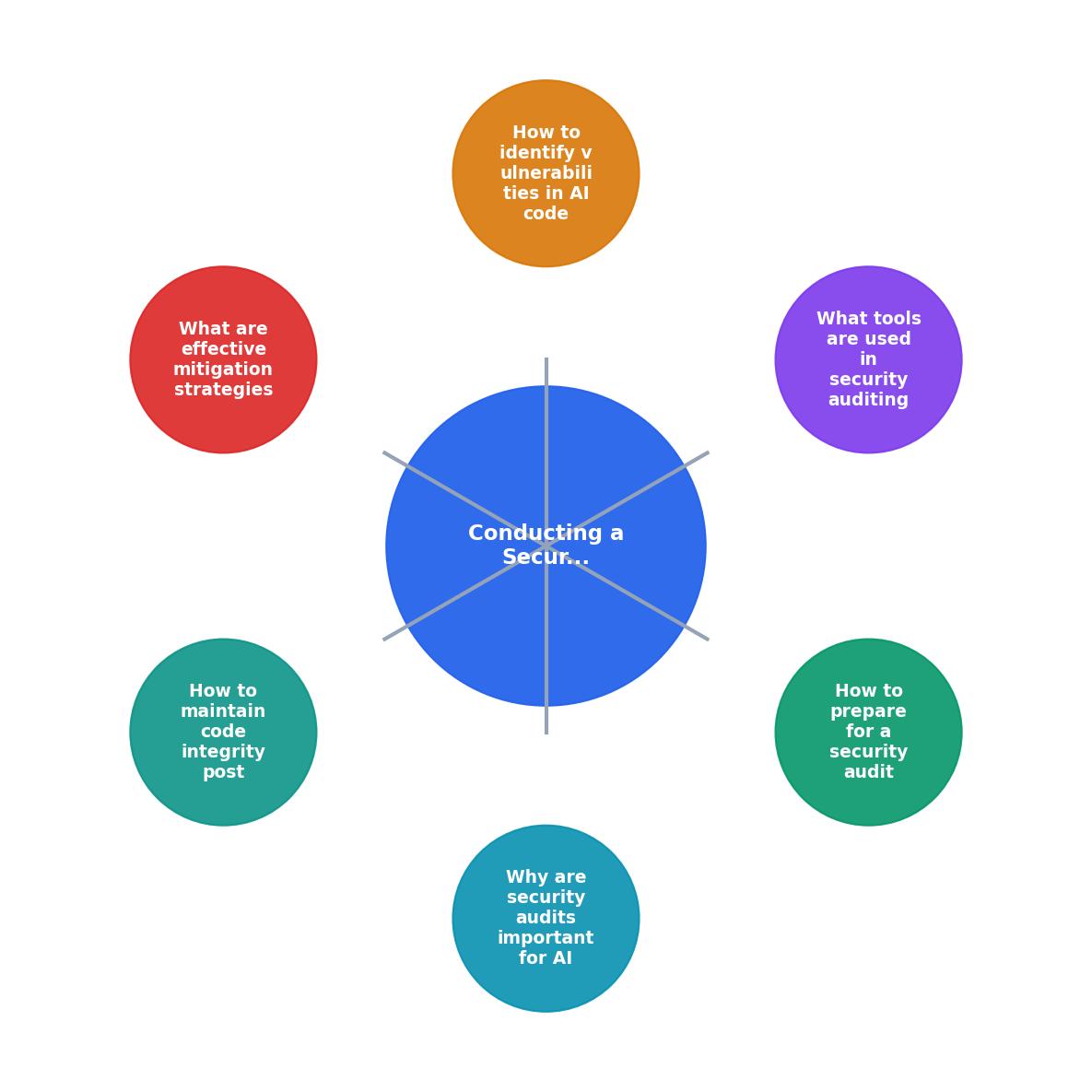
What are Effective Mitigation Strategies?
Once vulnerabilities are identified, implementing effective mitigation strategies is essential to secure the codebase.
- Patch Management: Regularly update software and dependencies to fix known vulnerabilities.
- Access Controls: Implement strict access controls to ensure only authorized users can modify the codebase.
- Encryption: Use encryption to protect sensitive data both at rest and in transit.
- Security Training: Educate developers on secure coding practices and the importance of security audits.
How to Maintain Code Integrity Post-Audit?
Maintaining code integrity after a security audit is crucial to ensure ongoing protection against vulnerabilities.

- Regular Audits: Schedule regular security audits to keep the codebase secure.
- Continuous Integration/Continuous Deployment (CI/CD): Integrate security checks into the CI/CD pipeline to catch vulnerabilities early.
- Documentation: Keep documentation updated with any changes made during the audit.
- Community Engagement: Participate in security communities to stay updated on the latest threats and mitigation techniques.
Frequently Asked Questions
Conducting a security audit on AI-generated code is not just a one-time task but an ongoing process that ensures your code remains secure and robust. What strategies have you found effective in securing your AI-generated code? Share your thoughts in the comments below.
Security Audit Plan Template for AI-Generated Code
Your progress is saved automatically in your browser.
Security Audit Metrics
This interactive security audit metrics card summarizes key data points from a typical audit process, showcasing the number of vulnerabilities detected, tools used, and team members involved. It highlights the complexity and collaborative nature of effective security audits.
Additional Resources
- AI Code Vulnerability Audit: Fix the 45% Security Flaws Fast - How to Conduct a 30-Minute AI Code Vulnerability Audit · Step 1: Inventory AI-Generated Code · Step 2: Execute Static Analysis Scanning · Step 3: ...
- AI-Generated Code Security: Security Risks and ... - Discover the security risks and opportunities of AI-generated code, plus key tips to strengthen software and protect your projects.
- Understanding Security Risks in AI-Generated Code - A recent study found that 62% of AI-generated code solutions contain design flaws or known security vulnerabilities, even when developers used ...
Ready to Master Vibe Coding?
Learn to build software faster with AI assistance using the Vibe Coding Bible.
Get Started