Blog
Articles about AI-assisted coding, prompt engineering, and software development.

Integrating Vibe Coding with Legacy Systems
Your team just got the mandate to adopt AI-assisted development. The problem is that 70% of your codebase was written before anyone had heard of large language models, and half of it runs on frameworks that stopped getting updates years ago. Integrating vibe coding with legacy systems is not a greenfield exercise. It requires a deliberate strategy that respects existing constraints while unlocking real productivity gains.
Ensuring Smooth Deployment of Vibe-Coded Software
You generated a working app in two hours with an AI coding assistant, tests pass locally, and the demo looks great. Then you push to production and everything falls apart. Deployment is where vibe-coded software meets reality, and without a disciplined pipeline, that meeting goes badly. This guide covers the exact practices, automation patterns, and monitoring strategies that keep AI-assisted code shipping cleanly.

Team-Based Workflow Optimization with Vibe Coding
One developer on your team ships a feature in two hours using Cursor. Another spends a full day rewriting the AI output because it ignored your architecture conventions. A third commits AI-generated code with zero tests and a hardcoded API key. The productivity gap between teams that have standardized their AI-assisted workflows and those that let every developer freestyle is growing fast, and it shows up in bug counts, review cycles, and deployment frequency.
Vibe coding workflow for Python FastAPI teams in 2026
You described your API endpoint in plain English, the AI generated 200 lines of FastAPI code, and everything looked great until the first real request hit production and returned a 500 error nobody could trace. The gap between AI-generated code that runs locally and code that survives real traffic is exactly where a vibe coding workflow earns its keep. This guide walks through a concrete, step-by-step workflow that Python FastAPI teams can adopt today to ship AI-assisted code without shipping AI-assisted disasters.
Security guardrails for vibe coding in Python FastAPI
You prompted an AI, got a working FastAPI app in twenty minutes, and deployed it the same afternoon. Three days later someone dumped your entire user table because the AI never added authentication to that one admin endpoint. This happens constantly to vibe-coded projects, and the fix is not to stop using AI. The fix is to bolt security guardrails onto your workflow before the code reaches production.
Coding aicode optimize: Practical Guide
You built something with AI that works on your machine, but it takes four seconds to load a page, the database queries stack up, and your hosting bill climbs every week. Optimizing AI-generated code is not about rewriting everything from scratch. It is about knowing where the bottlenecks live, asking your AI assistant the right questions, and applying a repeatable process that turns sluggish prototypes into software people actually want to use.
Vibe Coding for Non-Coders: Where to Start in 2026
Six months ago you had an app idea. You opened Cursor, typed a prompt, and watched working code appear on screen. Then you tried to add payments, fix a login bug, and deploy to production. Everything broke.
AI Platforms Supporting Team-Based Vibe Coding
Your team adopted AI coding tools six months ago. Half the engineers use Copilot, two swear by Cursor, one quietly runs Claude in a terminal, and nobody agrees on how to review AI-generated pull requests. The productivity gains are real but so is the chaos. Choosing the right AI platform at the team level turns that chaos into a repeatable, auditable workflow that actually scales.
Comparing GitHub Copilot and Other AI Coding Tools
GitHub Copilot changed the way professional developers write code, but it is not the only option on the table. Tools like Cursor, Cody by Sourcegraph, Tabnine, and Amazon CodeWhisperer each bring a different philosophy to AI-assisted development. Picking the wrong one costs you time, context-switching overhead, and sometimes code quality. This article breaks down the real differences so you can make a decision based on engineering criteria, not marketing pages.
Streamlining REST API Development with Vibe Coding
Last quarter one of my teams shipped 14 REST endpoints in three days. The same scope took six weeks the previous year with the same headcount. The difference was not a new framework or a hiring spree. It was a deliberate integration of AI-assisted coding into every stage of the API lifecycle, from schema design through contract testing.

Fostering Collaboration Between Non-Engineers and Developers with Vibe Coding
Most product teams have the same friction point. The person who understands the customer best cannot read the codebase, and the person who writes the code has never spoken to a customer. Vibe coding collapses that gap by giving non-engineers a direct way to prototype, iterate, and communicate in the same environment developers already use. This article breaks down the specific tools, training formats, and communication strategies that make cross-functional collaboration actually work when AI writes most of the code.
Challenges of Integrating AI into Team Coding Practices
Your team adopted Copilot three months ago. One developer uses it for everything, another refuses to touch it, and the third accepts every suggestion without reading it. Code review takes longer than before, the style guide is a mess, and nobody agrees on what counts as AI-generated code. This is the reality of AI integration for most engineering teams, and it does not fix itself without deliberate effort.
How Vibe Coding Enhances Team Productivity Without Sacrificing Quality
Your team adopted AI coding tools three months ago. Half the engineers love them, the other half quietly revert every AI-generated pull request. Velocity numbers look great on paper, but bug reports crept up 20% and nobody agrees on what "good enough" AI output looks like. The productivity gain is real, but so is the quality risk, and as the person responsible for both, you need a system that captures the upside without letting standards slip.

Enhancing Career Opportunities Through Vibe Coding
Three years ago, a product manager at a mid-size SaaS company could not prototype a feature without filing a ticket and waiting two sprints. Today that same PM opens Cursor, describes the feature in plain English, and has a working prototype running locally before lunch. Vibe coding has turned non-engineers into builders, and the job market is starting to reward that shift. This article breaks down exactly how to use vibe coding skills to open doors you assumed required a computer science degree.

Challenges in Vibe Coding for Mobile Development
Vibe coding on the web is one thing. You prompt an AI, get a React component, refresh the browser, and iterate. Mobile development is a different animal entirely. Platform-specific APIs, strict performance budgets, app store review processes, and the sheer variety of devices turn AI-assisted development into a minefield of subtle failures that only surface after you ship.
Steps to Shipping an AI-Assisted App for Non-Engineers
You have an idea, an AI coding tool, and zero computer science background. The first 80% of the app comes together in a weekend. Then everything stalls. Bugs multiply, deployment feels like defusing a bomb, and the gap between a working prototype and a shipped product starts to look uncrossable.

Building CRUD Applications with Vibe Coding
Every SaaS product, internal tool, and side project starts the same way: a database, four operations, and a lot of boilerplate. Create, Read, Update, Delete. The pattern is so common that writing it from scratch in 2026 feels like hand-copying a phone book. Vibe coding with AI tools turns that repetitive grind into a conversation, letting you describe what you want and get working CRUD endpoints, forms, and validation in minutes instead of hours.
Best AI Tools for Non-Engineers to Start Vibe Coding
You have an idea for an app, a clear picture of what it should do, and zero interest in spending four years learning computer science before you build it. The good news is that a new generation of AI coding tools lets you describe what you want in plain English and get working software back in minutes. The tricky part is picking the right tool from a crowded, hype-filled market. This guide breaks down the actual options, what each one does well, and where each one falls short so you can start shipping instead of researching.
How Vibe Coding Might Change Indie App Development by 2026
Two years ago, building a SaaS product solo meant hiring a freelance developer or spending six months learning React. Today, founders with zero engineering background ship functional apps in a weekend using AI coding assistants. By 2026, the gap between idea and launched product will shrink even further, but the gap between launched product and sustainable business will widen in ways most people are not talking about yet.

Team Approaches to Multi-Language Vibe Coding
Most engineering teams today ship code in at least three languages. A typical product has a TypeScript frontend, a Python or Go backend, and infrastructure written in HCL or YAML. When you layer AI-assisted vibe coding on top of that stack, the productivity gains are real but so are the consistency problems, the tooling fragmentation, and the review headaches that multiply with every additional language. This article breaks down concrete strategies for running multi-language vibe coding across a team without losing control of quality or velocity.
JavaScript vs Python in Vibe Coding
You opened Cursor, typed a natural-language prompt, and watched an AI generate a working feature in seconds. Then you had to pick a language for the next project and froze. JavaScript or Python? The answer depends less on syntax preferences and more on what you are building, which AI tooling you rely on, and where the generated code will run.
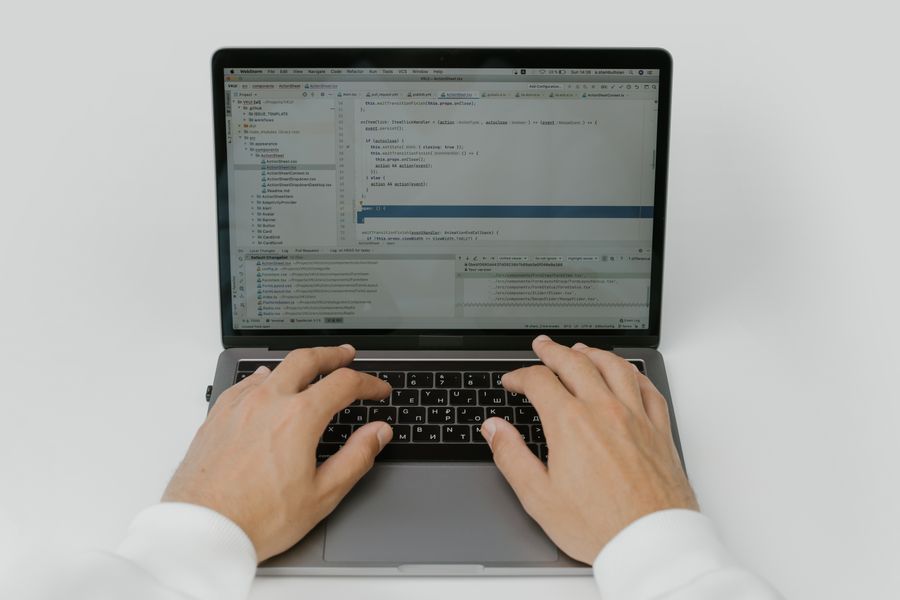
Applying Vibe Coding in Python for Beginners
You have an idea for an app, you picked Python because everyone says it is beginner-friendly, and now you are staring at a blank editor wondering where to start. Vibe coding flips that script: instead of memorizing syntax first, you describe what you want in plain English and let an AI assistant generate the code. This guide walks through the exact setup, libraries, and workflow so you can go from zero Python experience to a working application without a computer science degree.

Integrating AI in Quality Assurance Processes
Your QA team runs the same regression suite every sprint, burns two days on manual exploratory testing, and still ships bugs that a pattern-matching model could catch in seconds. The gap between what AI can do for quality assurance today and what most teams actually use it for is enormous. This article walks through the concrete steps, tools, and trade-offs of weaving AI into your existing QA workflows so you capture the speed gains without losing control over quality or security.
AI's Role in Automating Code Reviews for Software Engineers
Code reviews eat hours every week. You open a pull request, tag two reviewers, wait a day, get surface-level comments about formatting, and the actual logic bug ships anyway. AI-powered review tools flip that equation by scanning every diff in seconds, flagging real defects, and freeing human reviewers to focus on architecture and design decisions. This article breaks down exactly how these tools work, which ones are worth adopting, and how to wire them into your existing workflow without disrupting the team.
Reviewing AI-Generated Code: A Guide for Non-Engineers
You shipped a working prototype in a weekend using Cursor or Claude. The app runs, the buttons click, the data saves. Then three weeks later a user reports that their private data is visible to everyone, and you have no idea where to even start looking. Reviewing AI-generated code is not optional, and you do not need a computer science degree to do it well.

Evolution of Vibe Coding in Team Environments by 2026
Three engineers on the same team, each using AI assistants differently, producing code that looks like it came from three separate companies. One ships fast but skips tests. Another prompts carefully but ignores the team's architecture conventions. The third refuses to use AI at all.
AI-Assisted Development Trends for Engineers to Watch in 2026
Six months ago your IDE autocompleted a function name. Today it scaffolds entire modules, writes migration scripts, and opens pull requests while you sleep. The pace of change in AI-assisted development has compressed what used to be a decade of tooling evolution into roughly eighteen months, and 2026 is shaping up to be the year the dust settles into real, permanent shifts. If you write code for a living, the trends below will directly affect how you work, what your job description says, and which skills keep you competitive.
Risks of Unchecked AI Adoption in Software Development Teams
Your team started using Copilot three months ago. Velocity metrics look great on paper. Then a security audit reveals hardcoded API keys in 14 different files, a junior dev admits they stopped reading the code the AI generates, and your lead architect discovers three microservices that duplicate the same business logic because nobody coordinated. This is what unchecked AI adoption looks like in practice, and it is happening at companies of every size right now.
Pitfalls Professional Developers Should Avoid with AI in Coding
AI coding assistants generate code faster than any human can type it. That speed creates a trap. Professional developers who skip review, ignore test coverage, or let the model make architectural decisions end up shipping bugs that take longer to fix than writing the code by hand would have taken. This article maps the specific pitfalls and gives you a concrete QA process to avoid them.

Common Vibe Coding Mistakes Made by Non-Engineers
You shipped a working prototype in a weekend using Cursor and Claude. Two weeks later, the app crashes under 50 concurrent users, a bot scrapes every user email from an unprotected API endpoint, and you have no idea which of the 47 AI-generated files actually handles authentication. This is the reality for thousands of non-engineers building with AI right now, and almost every one of them hits the same avoidable walls.
Setting Standards for AI-Assisted Development Across Teams
Three developers on the same team use Copilot, Cursor, and Claude Code respectively. One commits raw AI output without review. Another rewrites every suggestion from scratch. The third ignores AI entirely.
How Software Engineers Can Integrate AI into Existing Workflows
Your team already has a CI pipeline, a code review process, and a branching strategy that took months to get right. Now someone drops an AI coding assistant into the mix and suddenly half the pull requests look different, nobody agrees on when to use it, and the review burden doubles instead of shrinking. The real challenge is not adopting AI tools but weaving them into the workflows you already trust without breaking what works.
Best Practices for Indie Hackers Using AI to Build Apps
Indie hackers are increasingly turning to AI to build applications quickly and efficiently. However, navigating the AI landscape can be daunting for those without a traditional engineering background. To build robust and scalable apps, indie hackers need to adopt best practices, from selecting the right tools to managing AI-generated code. By doing so, they can optimize their workflow and achieve their development goals more effectively.

Addressing Security Concerns in Team-Wide Vibe Coding Adoption
In the fast-paced world of software development, adopting AI-assisted coding practices, known as "vibe coding," offers significant advantages in productivity and innovation. However, scaling these practices across a team presents unique security challenges. Without addressing these concerns, teams risk compliance breaches and exposure to intellectual property theft. This article explores the specific security challenges of team-wide vibe coding and offers actionable strategies for effective management.
Best Practices for Maintaining Stability in AI-Generated Code
Stability in AI-generated code is not just a buzzword but a crucial aspect of modern software development. As AI tools become more prevalent in coding environments, ensuring the reliability of this code is paramount. Engineers face the challenge of maintaining stability amidst rapid changes and potential bugs. The solution lies in adopting best practices such as thorough testing, effective version control, and robust CI/CD pipelines.

Ensuring Security in Vibe-Coded Applications
Ensuring the security of applications developed through vibe coding is crucial for non-engineers who are venturing into software development. Vibe-coded applications, while innovative and efficient, often face vulnerabilities that can be exploited if not properly secured. Understanding common security threats and implementing secure coding practices is essential to maintain the integrity and reliability of these applications. This article explores how non-engineers can safeguard their vibe-coded applications using practical tools and strategies.

Is Vibe Coding a Viable Alternative for Team-Wide Development?
Vibe coding is shaking up the software development world, but can it be effectively scaled across entire teams? As companies seek faster, more innovative ways to deliver software, vibe coding emerges as a promising method. However, its viability as a team-wide development process hinges on strategic implementation to ensure quality and consistency. This article explores the potential of vibe coding to revolutionize team workflows, the challenges it presents, and how organizations can successfully adopt this approach.
Code Quality: Vibe Coding vs Traditional Development
In the fast-evolving world of software engineering, maintaining high code quality is crucial. With the rise of AI-assisted development, or "vibe coding," developers face new challenges and opportunities. This article explores how vibe coding impacts code quality compared to traditional development methods, offering insights into best practices for professionals keen on leveraging AI without compromising their standards.
Key Differences Between Vibe Coding and Traditional Coding for Indie Hackers
Vibe coding is transforming how indie hackers approach software development by integrating AI into the process, making it faster and more accessible. Unlike traditional coding, which often requires extensive technical knowledge and time, vibe coding leverages AI to streamline development tasks. This shift reduces technical barriers and accelerates project timelines, allowing indie developers to focus on creativity and innovation. Let's explore the key differences between these two approaches and how vibe coding is empowering indie hackers to bring their ideas to life.

How Vibe Coding Integrates with Traditional Software Engineering
Vibe coding is revolutionizing the way software is developed by integrating AI tools into traditional practices, enhancing productivity and innovation. This seamless integration is not just about using new tools; it's about enhancing existing workflows and maintaining the quality and dynamics of engineering teams. Discover how vibe coding is not only compatible with traditional methods but also elevates them to new heights.

Why Vibe Coding is Gaining Traction Among Professional Engineers
Vibe coding is capturing the attention of professional engineers worldwide. By leveraging the power of AI, this innovative approach is redefining software development, enhancing both speed and creativity. Engineers are drawn to vibe coding because it streamlines complex workflows and boosts productivity, making it an indispensable tool in modern development environments. But what exactly is driving this shift, and why is vibe coding becoming a staple among professionals?

What is Vibe Coding and How It Empowers Non-Engineers
Imagine being able to create robust software applications without a degree in computer science or years of coding experience. This is the promise of vibe coding, a revolutionary approach that leverages AI to democratize software development. Vibe coding empowers non-engineers, like indie hackers, designers, and entrepreneurs, to transform their ideas into production-grade applications swiftly and efficiently. By bridging the gap between creativity and technical execution, vibe coding is reshaping the landscape of software development.