

Indie hackers are increasingly turning to AI to build applications quickly and efficiently. However, navigating the AI landscape can be daunting for those without a traditional engineering background. To build robust and scalable apps, indie hackers need to adopt best practices, from selecting the right tools to managing AI-generated code. By doing so, they can optimize their workflow and achieve their development goals more effectively.
Photo by Tima Miroshnichenko from Pexels
TL;DR: Indie hackers can build robust applications using AI by selecting the right tools, managing AI-generated code effectively, and ensuring scalability. Following best practices helps optimize workflow and achieve development goals efficiently.
AI has revolutionized the way indie hackers approach app development, offering tools that can significantly speed up the process. However, this rapid pace of development also brings challenges, especially in terms of code quality and scalability. By focusing on best practices, indie hackers can navigate these challenges and create apps that not only function well but also stand the test of time.
Introduction to AI for Indie Hackers
Artificial Intelligence is transforming the landscape for indie hackers by providing tools that streamline the development process. AI can automate repetitive tasks, generate code snippets, and even help with debugging. For indie hackers, particularly those without a formal engineering background, AI serves as a effective ally in transforming ideas into reality. However, the key to leveraging AI effectively lies in understanding its role and limitations.
AI tools can be incredibly helpful in automating mundane and repetitive tasks like data entry, file management, and basic data analysis. This allows indie hackers to focus more on creative aspects and strategic decision-making. Moreover, AI's capability to generate code snippets can dramatically reduce development time. For instance, tools like OpenAI's Codex, which powers GitHub Copilot, can suggest entire blocks of code, allowing developers to quickly prototype and iterate.
Selecting the Right AI Tools
Choosing the right AI tools is crucial for indie hackers. The market is flooded with numerous options, each offering different features and capabilities. When selecting tools, consider factors such as ease of use, integration capabilities, and community support.
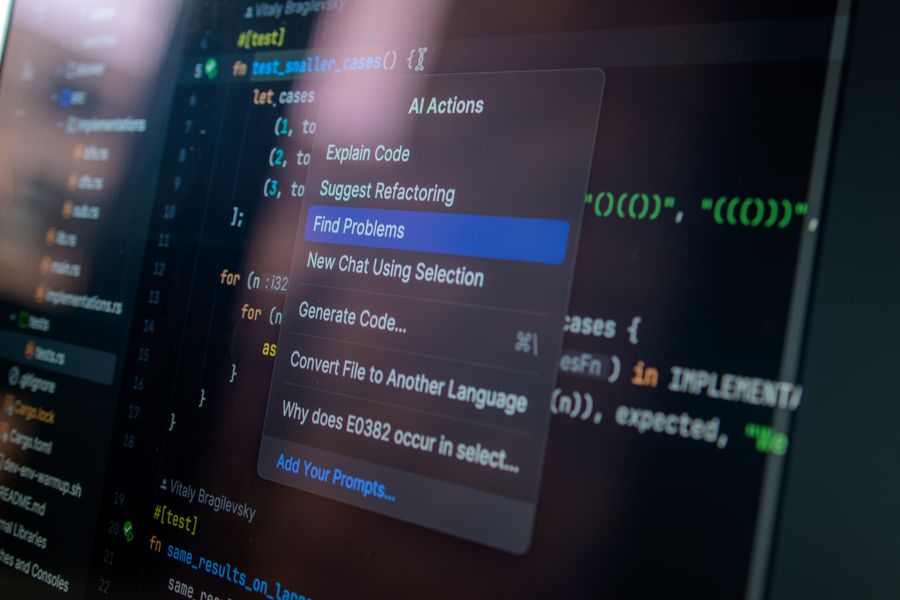
- Ease of Use: Tools like GPT-3 and Copilot are popular for their user-friendly interfaces and seamless integration with existing workflows. They allow for quick adoption, enabling indie hackers to start building without extensive training.
- Integration Capabilities: Ensure that the AI tool can integrate with your current tech stack. Compatibility with languages, frameworks, and platforms you already use is essential to avoid additional complexities.
- Community Support: A strong community can provide invaluable support and resources. Forums, tutorials, and user groups can be great places to find answers and share experiences.
Managing AI-Generated Code
AI-generated code can be a double-edged sword. While it can speed up development, it often requires thorough review to ensure quality and security. Indie hackers should adopt strategies to manage this code effectively.
- Code Review: Regularly review AI-generated code to catch errors and optimize performance. Even though AI can produce functional code, it might not always follow best practices or be optimized for performance.
- Version Control: Use platforms like GitHub to track changes and collaborate with others. This is crucial for maintaining a history of changes and facilitating collaboration with other developers or contributors.
- Testing: Implement automated testing to ensure code reliability. Unit tests and integration tests can help verify that the code performs as expected and doesn't introduce bugs into the system.
"While I loved that AI could get ideas from my head into a digital product, the ideas were always 60-80% fleshed out."
— My Experience using AI to Code, My Experience using AI to Code
AI-generated code often needs human oversight to ensure it aligns with the project's overall architecture and design principles. It's important to balance the speed and convenience AI offers with the diligence required for high-quality software development.
Ensuring Scalability
Scalability is a common challenge for indie hackers. As your user base grows, your app must be able to handle increased demand without compromising performance.

- Cloud Services: Use cloud platforms like AWS or Azure to scale resources dynamically. These platforms offer flexible pricing models and allow you to scale your infrastructure according to demand, ensuring you only pay for what you use.
- Microservices Architecture: Break down applications into smaller, independent services to improve scalability. This approach not only aids in scaling but also in managing and updating individual components without affecting the entire system.
- Load Testing: Regularly perform load testing to identify potential bottlenecks. Tools like Apache JMeter or LoadRunner can simulate real-world traffic and help you understand how your application performs under stress.
Examples of Successful Indie Projects
Several indie projects have successfully leveraged AI to build scalable applications. These case studies offer valuable insights into best practices and strategies.
Understanding these success stories can provide practical lessons and inspiration. Whether it's a productivity app, a game, or a data analysis tool, seeing how others have navigated challenges can be invaluable.
Common Pitfalls to Avoid
Despite the benefits, there are pitfalls to watch out for when using AI in app development. Common mistakes include over-reliance on AI and neglecting security protocols.
- Over-reliance on AI: Do not depend solely on AI for critical decision-making. While AI can assist with suggestions and automation, human judgment is crucial for strategic decisions.
- Ignoring Security: Always prioritize security when integrating AI into your applications. AI tools can introduce new vulnerabilities, so regular security audits and updates are essential.
- Neglecting User Feedback: Regularly gather and incorporate user feedback to improve your product. Users can provide insights that AI might miss, ensuring the application meets real-world needs.

These pitfalls can lead to significant setbacks if not addressed early. By remaining vigilant and proactive, indie hackers can avoid these common mistakes and ensure their projects are on the path to success.
Practical Artifact: Tool Selection Guide for Indie Hackers
When choosing AI tools, consider the following checklist to ensure they meet your project's needs:
AI Tool Selection Guide
Your progress is saved automatically in your browser.
This checklist provides a structured approach to evaluating potential AI tools, ensuring that they align with your project's goals and constraints.
FAQ
Frequently Asked Questions
Are you using AI to build your indie app? Share your experiences and challenges in the comments below.
Additional Resources
- My Experience using AI to Code - Just upload your app design and describe what features you want. far is to find a tool that integrates with GitHub and open and execute an ...
- The Indie Hacker's Guide to Shipping Full-Stack Apps With AI - A practical guide for indie hackers who want to ship production apps faster using AI tools — covering what actually works and what wastes ...
- From Idea to Launch — The Ultimate Tool Stack for Indie ... - This article walks you through a tool stack that's become popular with indie hackers. Whether you're building a simple app, launching a SaaS, or ...