Creating an AI Coding Policy for Small Teams
In today's fast-paced tech environment, small teams are eager to leverage AI for coding to boost productivity and innovation. However, without clear guidelines, the use of AI can lead to inconsistent code quality, security vulnerabilities, and compliance issues. This article provides a comprehensive framework for small teams to create an effective AI coding policy, ensuring that AI tools are used responsibly and efficiently.

In today's fast-paced tech environment, small teams are eager to leverage AI for coding to boost productivity and innovation. However, without clear guidelines, the use of AI can lead to inconsistent code quality, security vulnerabilities, and compliance issues. This article provides a comprehensive framework for small teams to create an effective AI coding policy, ensuring that AI tools are used responsibly and efficiently.
Photo by Markus Winkler from Pexels
TL;DR: Small teams can develop an effective AI coding policy by setting security guidelines, establishing coding standards, and ensuring compliance with regulations. This framework provides templates and strategies for cohesive policy creation.
Creating a robust AI coding policy is essential for small teams looking to integrate AI into their development processes. Without such a policy, teams may face challenges like inconsistent code quality and non-compliance with legal standards. This resource outlines the key components needed for an effective policy, including security measures, coding standards, and compliance checks. By following these guidelines, small teams can harness the power of AI while minimizing risks.
Why is an AI Coding Policy Important for Small Teams?
Small teams often operate with limited resources and time, making it crucial to maximize efficiency and maintain high standards. An AI coding policy provides clear guidelines that help teams use AI tools effectively without compromising on quality or security. It ensures that everyone on the team is aligned with the same objectives and methods, reducing the risk of errors and miscommunication.

- Security guidelines to protect sensitive data
- Coding standards to ensure consistency
- Compliance requirements with legal regulations
- Procedures for regular policy updates and reviews
What Are the Key Components of an AI Coding Policy?
An effective AI coding policy is built on several foundational components. These elements work together to provide a structured approach to AI development.
- Security Guidelines: Protects sensitive data and intellectual property.
- Coding Standards: Ensures consistent and quality code output.
- Compliance Requirements: Aligns with legal and regulatory standards.
- Review Processes: Regularly updates and maintains the policy.
How to Draft a Security Guideline for AI Coding?
Security is a critical aspect of any coding policy, especially when AI tools are involved. Here's how small teams can draft effective security guidelines:

- Identify Vulnerabilities: Conduct a risk assessment to identify potential security threats.
- Develop Protocols: Establish protocols for data encryption, access controls, and incident response.
- Regular Training: Provide ongoing security training for all team members.
- Monitor and Audit: Implement monitoring tools to detect and respond to security incidents.
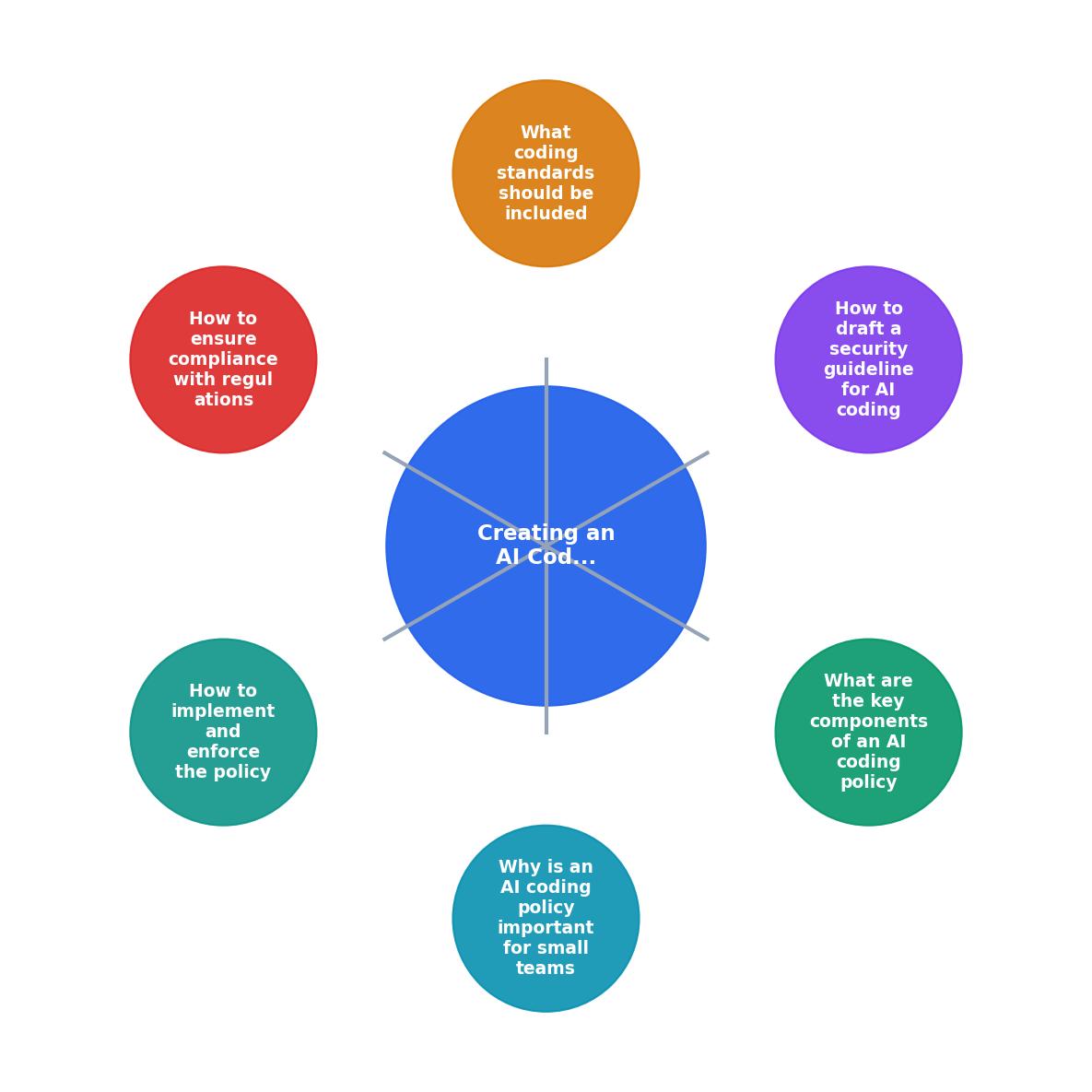
What Coding Standards Should Be Included?
Coding standards ensure that AI-generated code meets the same quality benchmarks as human-written code. Here are some recommendations:
- Consistent Naming Conventions: Use clear and consistent naming conventions for variables, functions, and classes.
- Code Reviews: Implement regular code reviews to catch errors and improve code quality.
- Documentation: Maintain thorough documentation for AI algorithms and code.
- Testing Protocols: Establish testing protocols to verify the functionality and performance of AI applications.
How to Ensure Compliance with Regulations?
Compliance is not just a legal obligation but a critical component of maintaining trust with users and stakeholders. Here’s how to align with legal requirements:
- Stay Informed: Keep abreast of relevant laws and regulations affecting AI use.
- Data Privacy: Ensure that all data handling complies with privacy laws like GDPR.
- Regular Audits: Conduct regular compliance audits to identify and rectify any issues.
- Legal Consultation: Engage with legal experts to review policy compliance.
"Teams see up to 40% reduction in code review time while maintaining or improving quality standards."
— How to implement collaborative AI coding in enterp, How to implement collaborative AI coding in enterp
How to Implement and Enforce the Policy?
Implementation and enforcement are crucial to the success of any policy. Here are strategies for effective adoption:

- Leadership Buy-in: Secure commitment from leadership to support policy enforcement.
- Training Sessions: Conduct training sessions to familiarize the team with the policy.
- Feedback Mechanisms: Establish channels for feedback to continually improve the policy.
- Regular Updates: Update the policy regularly to reflect new AI tools and regulations.
Practical Artifact: AI Coding Policy Template
AI Coding Policy Drafting Checklist
Your progress is saved automatically in your browser.
FAQ
Frequently Asked Questions
In conclusion, creating an AI coding policy for small teams is not just about setting rules but about fostering a culture of responsibility and continuous improvement. What strategies have you found effective in implementing such policies? Share your thoughts in the comments below.
Additional Resources
- How to implement collaborative AI coding in enterprise teams - Complete guide to implementing collaborative AI coding in enterprise environments. Covers team workflows, security, training frameworks, ...
- Building shared coding guidelines for AI (and people too) - Coding guidelines and standards for agents need to be a little different—more explicit, demonstrative of patterns, and obvious. Be simple, ...
- How to Standardize AI Code Generation Across Your ... - Project-level rules are specific guidelines, coding standards and conventions that define how work should be done within a particular project.
Ready to Master Vibe Coding?
Learn to build software faster with AI assistance using the Vibe Coding Bible.
Get Started